When you're preparing for toilet training or dealing with bedwetting, protecting your child's mattress is essential. But should you choose a leakproof bed guard or a traditional waterproof mattress protector? Both have their place, but for most families navigating toilet training, one option is significantly more practical than the other.
Let's break down the differences so you can make the best choice for your family.
What's the Difference?
Waterproof Mattress Protectors
A waterproof mattress protector is a fitted sheet-style cover that goes directly on the mattress, underneath your regular sheets. It creates a barrier between accidents and the mattress itself.
Pros:
- Full mattress coverage
- Protects against all types of spills and accidents
- One-time setup
Cons:
- Requires stripping the entire bed when accidents happen
- Often noisy and crinkly
- Can trap heat and make sleeping uncomfortable
- Time-consuming middle-of-the-night changes
Leakproof Bed Guards
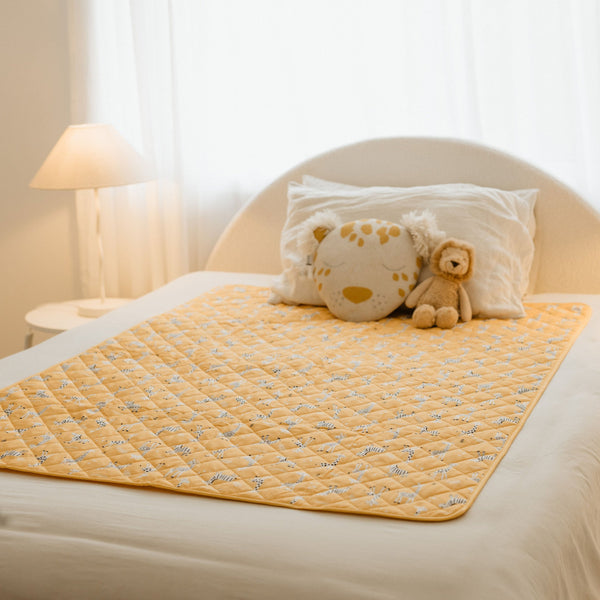
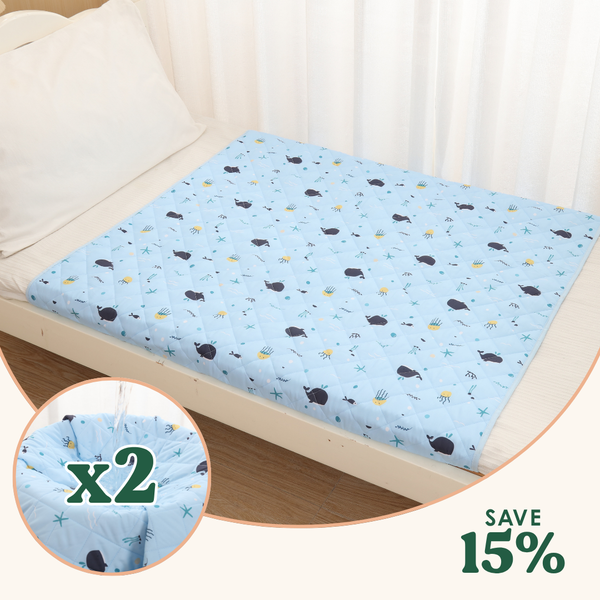
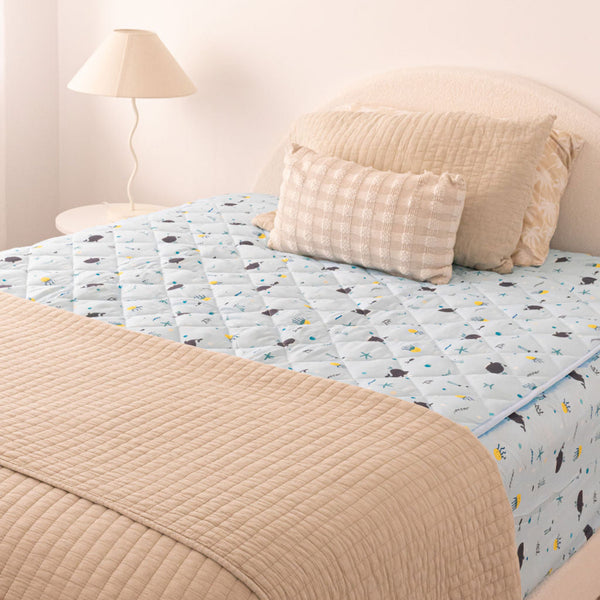
A leakproof bed guard sits on top of your regular sheets, right where your child sleeps. It provides targeted protection in the area where accidents actually happen—the middle of the bed.
Pros:
- Quick and easy to change (no bed stripping required)
- Soft, comfortable fabric—no plastic feel
- Machine washable and reusable
- Eco-friendly alternative to disposable pads
- Less disruptive for nighttime changes
Cons:
- Doesn't protect the entire mattress (though accidents rarely reach the edges)
- Requires having 2-3 on rotation for washing
Which One is Better for Toilet Training?
For most families going through toilet training, leakproof bed guards are the clear winner. Here's why:
1. Speed and Convenience
When your child has an accident at 2am, the last thing you want is to strip the entire bed, wrestle with a mattress protector, and remake everything from scratch. With a bed guard, you simply:
- Remove the soiled guard
- Place a fresh one down
- Get everyone back to sleep in under 2 minutes
This convenience factor alone makes bed guards worth it during the toilet training phase. As we discussed in our guide on how to protect your child's bed during toilet training, quick changes mean less disruption and better sleep for everyone.
2. Comfort Matters
Traditional waterproof mattress protectors often have a plastic or vinyl backing that can be noisy and uncomfortable. Many children (and adults!) find them hot and sweaty to sleep on, especially in warmer months.
Leakproof bed guards use soft, breathable fabrics with a hidden waterproof layer. Your child sleeps on comfortable material that feels just like regular bedding—no crinkly sounds or plastic feel.
3. Better Value During Toilet Training
While mattress protectors seem like a one-time purchase, they're actually less cost-effective during toilet training because:
- You need multiple sets if accidents are frequent (one on the bed, one in the wash)
- They wear out faster with frequent washing
- You still need regular sheets on top, which also need changing
With bed guards, you can keep the same sheets on the bed for longer and only wash the guards. Many parents find that having 2-3 bed guards in rotation is more economical and practical than constantly washing full bedding sets.
Can You Use Both Together?
Absolutely! Many families use a layered approach:
- Bottom layer: Waterproof mattress protector (for ultimate mattress protection)
- Middle layer: Regular fitted sheet
- Top layer: Leakproof bed guard (for quick changes)
This gives you the best of both worlds—full mattress protection plus the convenience of quick changes. If you want an even simpler solution, consider leakproof fitted sheets that combine the protection of a mattress protector with the comfort of regular sheets.
The Ultimate Solution: Complete Bedding Sets
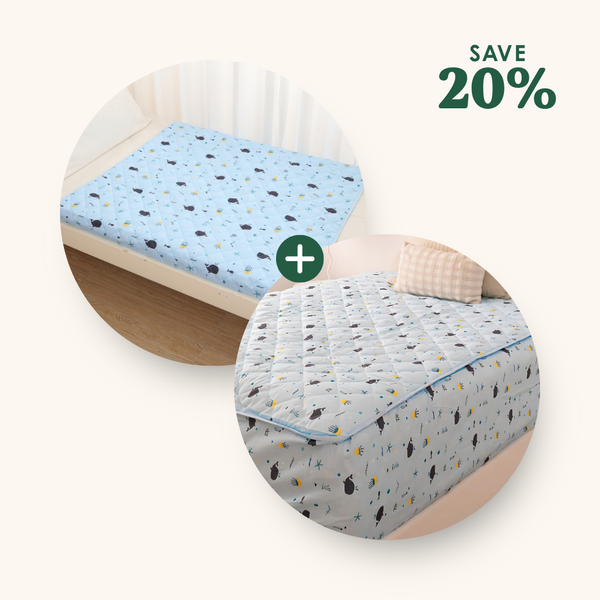
If you want maximum protection with minimal hassle, a leakproof sheet and bed guard set gives you both layers of defence in one purchase. The fitted sheet protects the entire mattress while the bed guard sits on top for quick changes. It's the perfect combination for toilet training families.
What About Older Children with Bedwetting?
For older children who experience occasional bedwetting, the answer depends on frequency:
Frequent accidents (multiple times per week): Bed guards are still your best bet for convenience and comfort.
Occasional accidents (once a month or less): A quality waterproof mattress protector might be sufficient, as you won't be changing it as often.
Combination approach: Use both for maximum protection and peace of mind.
Don't Forget Nighttime Training Pants
While you're protecting the bed, don't forget about protecting your child too! Reusable toilet training pants provide an extra layer of protection at night. They're more absorbent than regular underwear but still allow your child to feel wetness, which helps with learning.
The Bottom Line
While waterproof mattress protectors have their place, leakproof bed guards are the superior choice for families actively toilet training. They offer:
- Faster, easier nighttime changes
- Better comfort for your child
- More practical day-to-day use
- Eco-friendly, reusable protection
- Better value during the training phase
The best part? You don't have to choose just one. Many families use a mattress protector as a safety net and bed guards for daily convenience. This layered approach gives you complete protection with maximum practicality.
Ready to Make Toilet Training Easier?
Explore our range of leakproof bed guards, waterproof fitted sheets, and complete bedding sets designed to make toilet training less stressful for Australian families. Soft, comfortable, and built to last through the entire toilet training journey.