Potty training is one of the biggest milestones in your child's early years, and one that can feel overwhelming if you're not sure where to start. The good news? With the right preparation, you can set your child (and yourself) up for success from day one.
This complete guide will walk you through everything you need to know about preparing for potty training, from recognising readiness signs to stocking up on the right supplies.
When Should You Start Potty Training?
There's no magic age for potty training, but most children show signs of readiness between 18 months and 3 years. The key is watching for readiness signs rather than following a strict timeline:
- Stays dry for 2+ hours at a time
- Shows interest in the toilet or wearing underwear
- Can follow simple instructions
- Tells you when they need to go (or shows signs like hiding or squatting)
- Uncomfortable with dirty nappies and wants to be changed
- Can pull pants up and down
If your child shows most of these signs, they're likely ready to start. Remember: every child develops at their own pace, and that's completely normal.
The Essential Potty Training Checklist
Having the right supplies ready before you start makes the process so much smoother. Here's what you'll need:
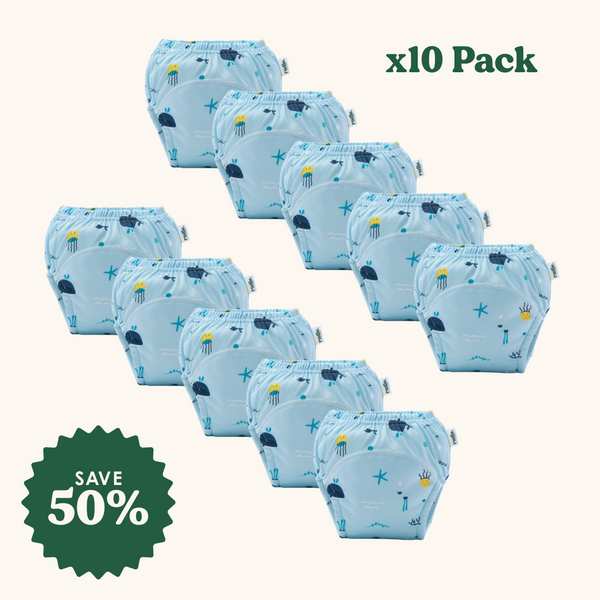
1. Toilet Training Pants (Lots of Them!)
This is your most important purchase. Reusable toilet training pants are essential because they:
- Let your child feel wetness (which helps them learn)
- Provide more protection than regular underwear
- Are eco-friendly and cost-effective
- Come in fun patterns that motivate kids
How many do you need? Most parents find that a 10-pack of training pants works perfectly. It's enough to get through the day with accidents while always having clean ones ready.
2. Bed Protection for Night-time
Daytime training often happens before night-time dryness, so protecting your child's bed is crucial. You'll want:
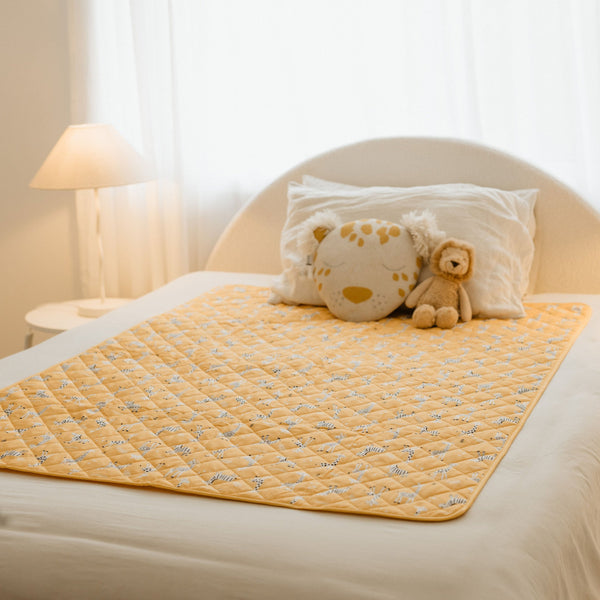
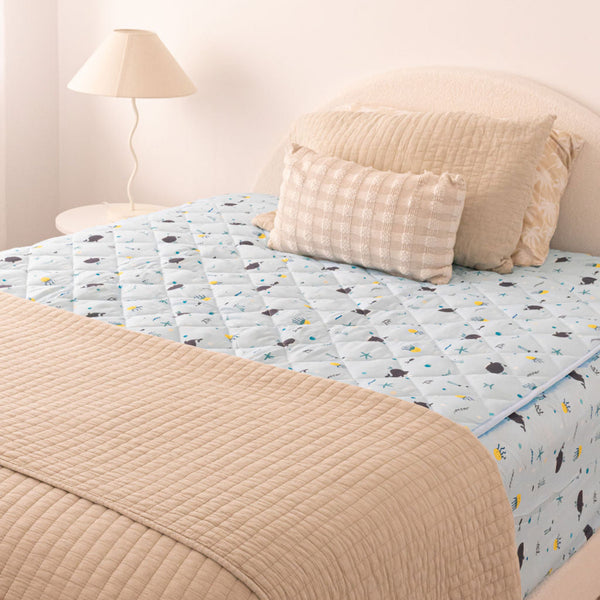
- Leakproof bed guards that sit on top of sheets for quick middle-of-the-night changes
- Waterproof fitted sheets for extra protection
We covered this in detail in our guide on how to protect your child's bed during toilet training. The key is making night-time accidents easy to handle so everyone gets back to sleep quickly.
3. A Potty Training Book or Story
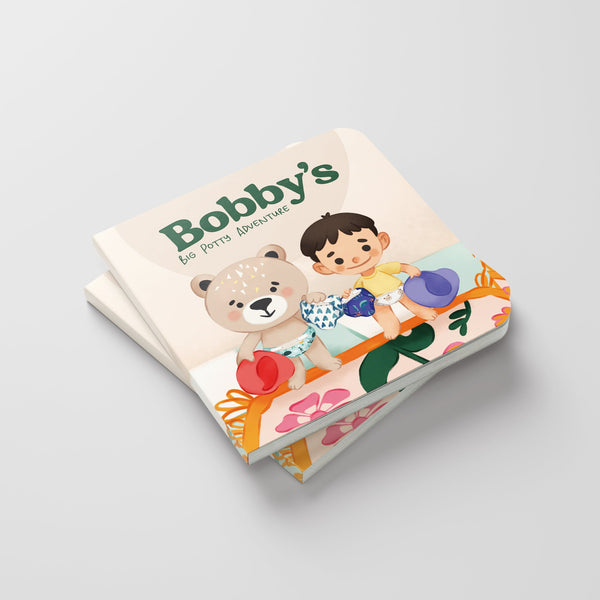
Books help children understand what's happening and make the process less scary. Bobby's Big Potty Adventure is specifically designed to build confidence and excitement around using the toilet. Reading it together before you start helps your child know what to expect.
4. A Child-Friendly Toilet Setup
You'll need either:
- A standalone potty chair, OR
- A toilet seat reducer + step stool (so your child can reach and feel secure)
Many families find that going straight to the toilet with a seat reducer works well, as it's one less transition later.
5. Easy-to-Remove Clothing
Stock up on:
- Elastic waist pants and shorts
- Dresses or skirts (for girls)
- Avoid: Overalls, buttons, tight jeans, or complicated outfits
The easier it is for your child to get their pants down quickly, the fewer accidents you'll have.
How to Prepare Your Child Mentally
Start Talking About It Early
A few weeks before you plan to start, begin talking about the toilet in a positive, casual way:
- Let them watch you or older siblings use the toilet
- Read potty training books together
- Talk about how big kids use the toilet
- Let them pick out their own training pants (this builds excitement!)
Make It Exciting, Not Scary
Frame potty training as a fun milestone, not a chore. Use positive language like:
- You're getting so big! Soon you'll use the toilet like Mummy and Daddy!
- Look at these cool training pants with whales/giraffes/rainbows!
- When you use the toilet, we can do a special celebration!
Setting Up Your Home for Success
Create a Potty Station
Set up a basket in the bathroom with:
- Wipes or toilet paper
- Hand soap
- A step stool
- A few books or toys (for longer sits)
- Spare training pants
Prepare for Accidents
Keep these items easily accessible around the house:
- Extra training pants in every room
- Cleaning supplies (enzyme cleaner works best)
- Spare clothes in the car and nappy bag
- Waterproof bags for soiled clothes when out
Choosing the Right Time to Start
Timing matters! Choose a period when:
- You have a few days at home to focus on it
- There are no major life changes (new sibling, moving house, starting daycare)
- Your child is healthy and not teething or sick
- You're feeling patient and positive (your attitude matters!)
Many parents find that long weekends or school holidays work well, as you can dedicate focused time without rushing.
Daytime vs. Night-time Training
Important: Daytime and night-time dryness are separate milestones.
Most children master daytime toilet use months (or even years) before staying dry at night. This is completely normal and depends on physical development, not training.
Plan to:
- Focus on daytime training first
- Continue using training pants or nappies at night
- Protect the bed with leakproof guards
- Wait for consistent dry mornings before attempting night-time training
For more on this topic, check out our article comparing leakproof bed guards vs waterproof mattress protectors to find the best night-time solution for your family.
Consider a Complete Training Bundle
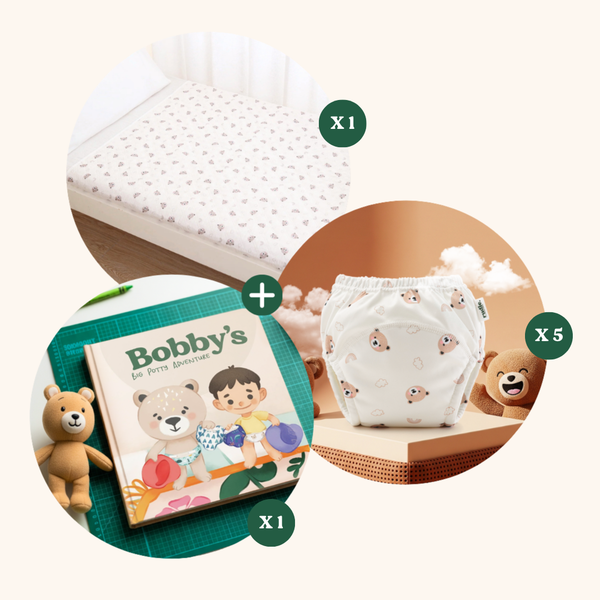
If you want everything you need in one purchase, Bobby's Complete Toilet Training Bundle includes:
- 5 reusable training pants
- Bobby's Big Potty Adventure storybook
- Leakproof bed guard for night-time protection
It's everything you need to start potty training with confidence, and you save money buying it together.
What About Training Pants vs. Pull-Ups?
Many parents wonder whether to use reusable training pants or disposable pull-ups. Here's the difference:
Reusable training pants:
- Let children feel wetness (helps them learn faster)
- More eco-friendly and cost-effective
- Feel more like big kid underwear
- Better for the environment and your wallet
Disposable pull-ups:
- Very absorbent (so children may not feel wetness)
- Convenient for outings
- Expensive over time
- Can delay training because they feel like nappies
Most experts recommend reusable training pants for faster, more effective learning.
Final Tips Before You Start
Set Realistic Expectations
- Accidents are normal and expected. They're part of learning
- Most children take 3-6 months to be fully daytime trained
- Night-time dryness can take much longer (even years)
- Regression is common during stress, illness, or big changes
Stay Positive and Patient
Your attitude sets the tone. Celebrate successes, stay calm during accidents, and remember that every child learns at their own pace. Pressure and punishment don't work. Patience and encouragement do.
Don't Compare
Your friend's child might have trained in 3 days, but that doesn't mean yours will (or should). Every child is different, and that's okay.
You've Got This!
Preparing for potty training doesn't have to be stressful. With the right supplies, a positive attitude, and realistic expectations, you're setting your child up for success.
Ready to get started? Stock up on reusable training pants, leakproof bed guards, and everything else you need. You've got this, and we're here to support you every step of the way!