One of the most common questions parents ask is: when should I start potty training? The answer isn't a specific age. It's about watching for signs that your child is developmentally ready.
This guide is based on Australian research and expert recommendations to help you identify the right time to start toilet training your toddler.
What Australian Research Says About Potty Training Age
According to the Royal Children's Hospital Melbourne, most children show signs of readiness between 18 months and 3 years of age. However, the average age Australian children complete toilet training is around 2.5 to 3 years.
The Australian Parenting Website (Raising Children Network) notes that there's no perfect age to start. What matters most is your child's individual development, not their chronological age or what other children are doing.
Why Age Alone Doesn't Matter
Research shows that starting too early (before 18 months) doesn't lead to faster training. In fact, children who start training before they're developmentally ready often take longer overall and experience more setbacks.
The key is waiting for readiness signs, which typically appear between 18 months and 3 years.
The 10 Key Readiness Signs
Australian paediatricians and child development experts identify these signs as indicators your child may be ready:
Physical Readiness
- Stays dry for 2+ hours: This shows bladder control is developing
- Regular bowel movements: Predictable patterns make training easier
- Can pull pants up and down: Physical coordination is essential
- Can walk to the bathroom: Mobility and independence matter
Cognitive Readiness
- Understands simple instructions: Can follow two-step directions
- Can communicate needs: Uses words, signs, or gestures to indicate needing to go
- Understands cause and effect: Connects the feeling of needing to go with using the toilet
Emotional Readiness
- Shows interest in the toilet: Wants to watch others or talks about it
- Uncomfortable with dirty nappies: Asks to be changed or shows discomfort
- Wants to be independent: Shows desire to do things themselves
Your child doesn't need to show all 10 signs, but having most of them indicates readiness.
What If My Child Isn't Ready Yet?
If your child is under 2 years old and not showing readiness signs, that's completely normal. Pushing before they're ready can lead to:
- Longer training periods overall
- More accidents and frustration
- Power struggles and resistance
- Setbacks and regression
According to Australian child development research, children who start training when they show clear readiness signs typically complete the process faster and with less stress.
Age-by-Age Guide
12-18 Months: Too Early for Most
Very few children show readiness signs this early. While some parents attempt early training, Australian paediatricians generally don't recommend starting before 18 months unless your child shows exceptional readiness.
What to do: Focus on building awareness by talking about the toilet casually and letting your child watch family members use it.
18-24 Months: Early Readiness May Appear
Some children start showing interest and physical signs of readiness. However, many still lack the cognitive and emotional maturity needed.
What to do: If your child shows strong readiness signs, you can try. If not, continue building awareness without pressure.
2-3 Years: The Sweet Spot
This is when most Australian children show clear readiness signs and successfully complete toilet training. The combination of physical, cognitive, and emotional development typically aligns during this period.
What to do: Watch for readiness signs and start when your child shows interest. Have supplies ready, including reusable training pants and bed protection.
For a complete checklist of what you need, read our guide on preparing for your child's potty training.
3-4 Years: Still Normal
If your child hasn't started or completed training by age 3, there's no cause for concern. Every child develops at their own pace.
What to do: Continue encouraging without pressure. Consider whether external factors (new sibling, moving house, starting childcare) might be affecting readiness.
4+ Years: When to Seek Support
Most Australian children are toilet trained by age 4. If your child is over 4 and showing no interest or progress, it's worth discussing with your GP or maternal child health nurse.
They can check for any underlying issues and provide personalised guidance.
Boys vs Girls: Does Age Differ?
Research shows that girls typically show readiness signs and complete toilet training slightly earlier than boys, on average by 2-3 months.
However, this is just an average. Many boys train early, and many girls train later. Your individual child's development matters more than gender-based statistics.
Cultural and Family Factors
The age children start toilet training varies significantly across cultures and families. In Australia, the average starting age has gradually increased over the past few decades, with most families now starting between 2-3 years rather than earlier.
This shift aligns with research showing that child-led, readiness-based approaches lead to faster, less stressful training.
How to Prepare When Your Child Shows Readiness
Once you've identified readiness signs, preparation is key to success.
Essential Supplies
- Reusable training pants that let your child feel wetness
- A 10-pack of training pants for enough rotation
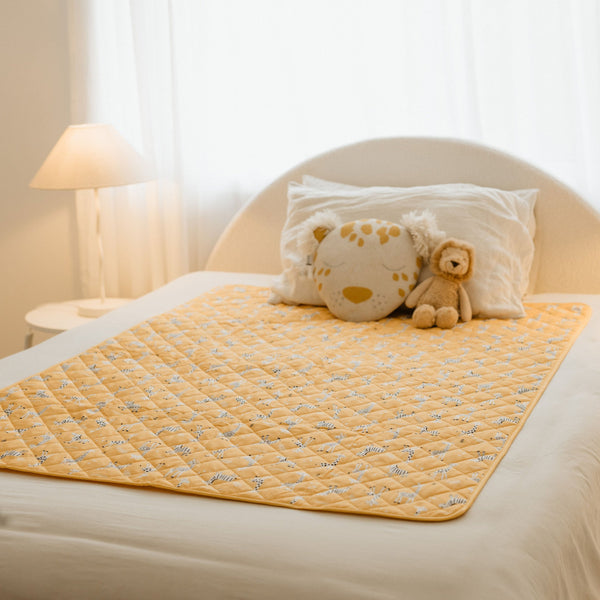
- Leakproof bed guards for night-time protection
- A child-friendly toilet seat or potty
- Books about toilet training like Bobby's Big Potty Adventure
Mental Preparation
- Talk positively about using the toilet
- Read toilet training books together
- Let your child pick out their training pants
- Set realistic expectations (accidents are normal!)
For more detailed preparation steps, check out our article on preparing for your child's potty training.
Common Mistakes to Avoid
Starting Too Early
Pushing training before readiness signs appear usually backfires. Children who aren't ready will have more accidents, take longer to train, and may develop negative associations with the toilet.
Comparing to Other Children
Your friend's child training at 18 months doesn't mean yours should. Every child's development is unique.
Using Pressure or Punishment
Toilet training should be positive and encouraging. Pressure, punishment, or shame can cause resistance and delay progress.
Expecting Perfection
Accidents are a normal part of learning. Even after your child is mostly trained, occasional accidents will happen, especially during transitions or stress.
What About Night-Time Training?
It's important to understand that daytime and night-time dryness are separate developmental milestones.
Most children achieve daytime toilet training between 2-3 years but don't achieve consistent night-time dryness until 3-5 years or later. This is completely normal and controlled by physical development, not training.
For detailed guidance on night-time training, read our article on night-time toilet training.
Choosing the Right Training Pants
Once you've identified readiness and are preparing to start, choosing the right training pants matters.
Australian experts recommend reusable training pants over disposable pull-ups because they:
- Let children feel wetness (crucial for learning)
- Feel more like big kid underwear (motivating)
- Are more cost-effective and environmentally friendly
- Help children train faster
For a detailed comparison, read our article on disposable vs reusable training pants.
When to Seek Professional Advice
Consult your GP or maternal child health nurse if:
- Your child is over 4 and showing no interest in toilet training
- Your child was trained but has suddenly regressed for more than a few weeks
- Toilet training is causing significant stress or anxiety for your child
- You suspect physical issues (pain, constipation, urinary problems)
- Your child is over 5 and still having frequent daytime accidents
In most cases, patience and following your child's lead is all that's needed.
The Bottom Line
The best age to start potty training is when your child shows readiness signs, typically between 18 months and 3 years. Australian research and expert recommendations emphasise child-led, readiness-based approaches rather than age-based timelines.
Key takeaways:
- Watch for physical, cognitive, and emotional readiness signs
- Most Australian children train between 2-3 years
- Starting before readiness doesn't lead to faster training
- Every child develops at their own pace
- Positive, pressure-free approaches work best
Trust your child's development, prepare with the right supplies, and approach toilet training with patience and positivity. Your child will get there when they're ready.
Ready to start? Explore our range of reusable training pants, leakproof bed guards, and complete training bundles designed to support Australian families through toilet training.