Toilet training doesn't happen overnight. It's a gradual progression that works best when you have the right tools for each stage of your child's development.
This guide breaks down the complete 3-stage toilet training system, helping you understand when to transition between stages and which products support your child's success at each level.
Why a Staged Approach Works Better
Many parents wonder whether they should jump straight from nappies to underwear. While some children can make that leap, most benefit from a gradual progression that builds confidence and reduces accidents.
Research shows that children who move through stages based on readiness signs (rather than age or parental timelines) typically:
- Complete training faster overall
- Experience less stress and fewer setbacks
- Build genuine confidence in their abilities
- Have fewer accidents in the long run
The key is recognising when your child is ready for each stage. For more on readiness signs, read our guide on the best age to start potty training.
Stage 1: Toilet Training Diapers (The Foundation)
When to Start This Stage
Toilet training diapers are ideal for children who are showing early readiness signs but aren't quite ready for training pants. Typically this is between 18-24 months, though some children start earlier or later.
Signs your child is ready for Stage 1:
- Shows interest in the toilet
- Can follow simple instructions
- Stays dry for 1-2 hours at a time
- Tells you when they've done a wee or poo
- Uncomfortable with dirty nappies
How Toilet Training Diapers Work
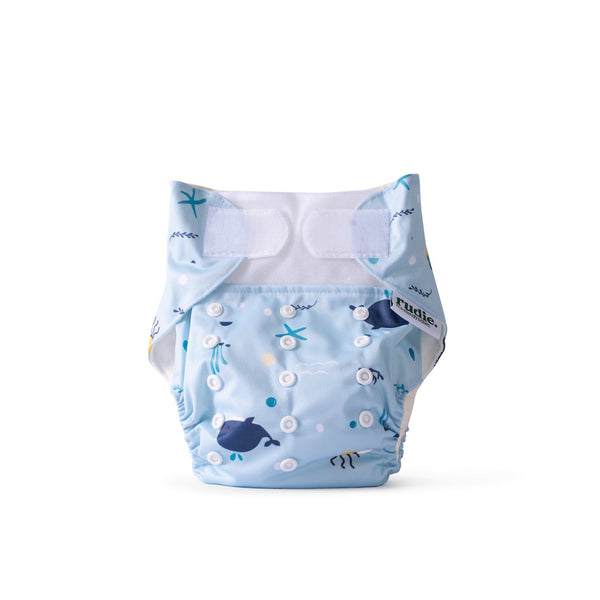
Toilet training diapers bridge the gap between regular nappies and training pants. They feature:
- Adjustable velcro tabs: Easy for quick changes and toilet attempts
- Feel-wet design: Lets your child start recognising the sensation of wetness
- More absorbency than training pants: Suitable for children still having frequent accidents
- Pull-down capability: Can be pulled down for toilet attempts
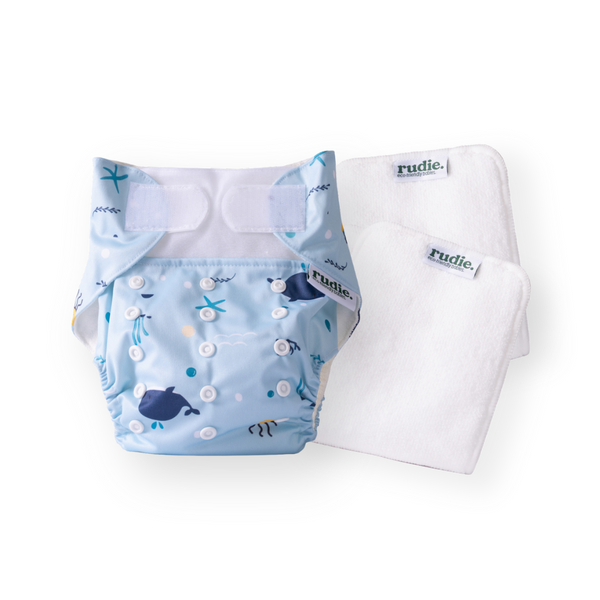
Many parents find the toilet training diaper with inserts bundle helpful, as the extra inserts provide flexibility for naps and outings.
What to Focus On in Stage 1
- Building toilet awareness and interest
- Establishing a routine of sitting on the toilet
- Celebrating any successes without pressure
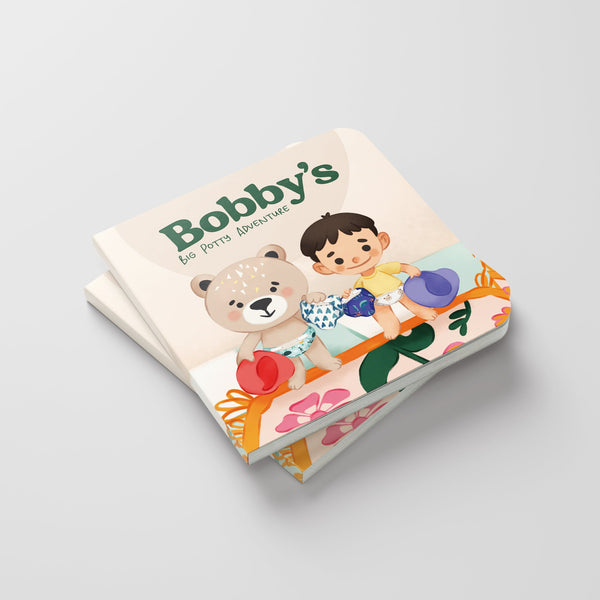
- Reading toilet training books like Bobby's Big Potty Adventure
- Making the toilet a positive, non-threatening place
For complete preparation tips, check out our article on preparing for your child's potty training.
When to Move to Stage 2
Your child is ready to transition from training diapers to training pants when they:
- Consistently tell you before they need to go (not just after)
- Can hold it long enough to get to the toilet
- Are having fewer accidents (3-4 successes per day)
- Show frustration with the diaper and want to wear pants
Stage 2: Training Pants (The Learning Phase)
When to Start This Stage
Training pants are the crucial middle stage where most active learning happens. Most children enter this stage between 2-3 years old, though timing varies.
Signs your child is ready for Stage 2:
- Consistently aware of needing to go
- Can communicate the need to use the toilet
- Having regular successes on the toilet
- Motivated to wear big kid pants
- Can pull pants up and down independently
Why Training Pants Are Essential
Reusable training pants are specifically designed for this learning phase. They provide:
- Feel-wet design: Children immediately feel accidents, which speeds learning
- Light absorbency: Catches small accidents without the bulk of nappies
- Underwear feel: Feels like big kid pants, which motivates children
- Easy on/off: Children can manage them independently
- Eco-friendly: Reusable and cost-effective compared to disposables
Most parents find that a 10-pack of training pants provides enough rotation for daily use with regular washing.
Training Pants vs Disposable Pull-Ups
This is a common question. Reusable training pants are significantly more effective for learning because children can feel wetness immediately. Disposable pull-ups are so absorbent that children often don't realise they've had an accident, which can delay training.
For a detailed comparison, read our article on disposable vs reusable training pants.
What to Focus On in Stage 2
- Establishing a regular toilet routine
- Encouraging independence (letting them try on their own)
- Staying calm about accidents (they're part of learning)
- Celebrating successes without over-rewarding
- Building confidence and self-awareness
Protecting the Bed During Stage 2
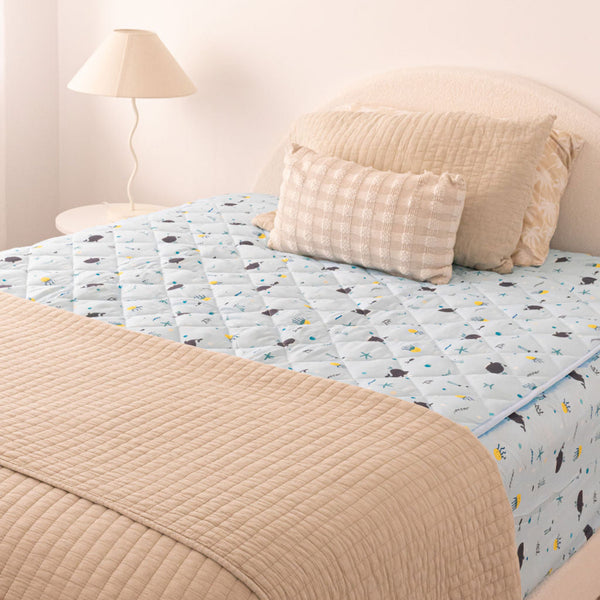
Night-time dryness typically takes longer than daytime training. Protect your child's bed with leakproof bed guards that sit on top of sheets for quick middle-of-the-night changes.
For comprehensive bed protection strategies, read our guide on how to protect your child's bed during toilet training.
When to Move to Stage 3
Your child is ready to transition from training pants to toilet training underwear when they:
- Are having very few accidents (maybe 1-2 per week)
- Consistently use the toilet without reminders
- Can hold it when needed
- Feel confident and ready for the next step
- Are asking for real underwear
Stage 3: Toilet Training Underwear (The Final Step)
When to Start This Stage
Toilet training underwear is the bridge between training pants and regular underwear. It's designed for children who are nearly trained but still have the occasional accident.
Signs your child is ready for Stage 3:
- Consistently dry throughout the day
- Independently uses the toilet
- Rare accidents (maybe once a week or less)
- Confident in their toilet skills
- Ready for the independence of real underwear
What Makes Toilet Training Underwear Different
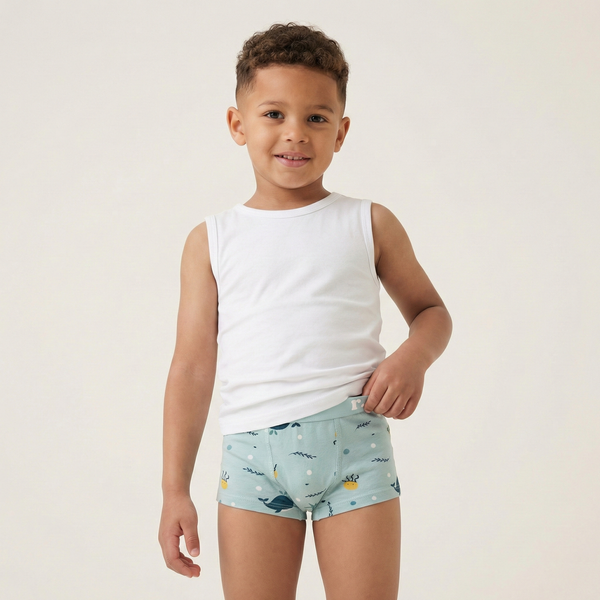
Our new toilet training underwear is specifically designed for this final stage. It's not a nappy, not training pants, but the confidence-building step before regular underwear.
Key features:
- Looks and feels like real underwear: Builds confidence and independence
- Light absorbency layer: Catches small accidents without bulk
- 95% bamboo fabric: Soft, breathable, and comfortable
- Pull-up style: Easy for kids to manage independently
- PFAS-free and OEKO-TEX certified: Safe and eco-friendly
Why Not Jump Straight to Regular Underwear?
Some children can make the leap from training pants to regular underwear successfully. However, toilet training underwear provides a safety net that:
- Prevents embarrassing accidents at daycare or outings
- Builds confidence during the transition
- Protects against the occasional miss
- Reduces stress for both parent and child
Think of it as training wheels for underwear. Once your child is consistently dry, you can transition to regular underwear with confidence.
What to Focus On in Stage 3
- Building complete independence
- Handling public toilets confidently
- Recognising the need to go in different situations
- Celebrating the milestone of being nearly trained
- Preparing for the transition to regular underwear
When to Move to Regular Underwear
Your child is ready for regular underwear when they:
- Have been accident-free for 2-4 weeks
- Confidently use toilets in different locations
- Can hold it when needed
- No longer need the security of the absorbent layer
Night-Time Training: A Separate Journey
It's crucial to understand that night-time dryness is a separate developmental milestone from daytime training. Most children achieve daytime dryness months or even years before staying dry at night.
Night-time protection throughout all stages:
- Use leakproof bed guards for quick changes
- Layer with waterproof fitted sheets for full protection
- Continue night-time protection even after daytime success
- Wait for consistent dry mornings before attempting night training
For detailed guidance on night-time training, read our article on night-time toilet training.
For bed protection comparisons, check out leakproof bed guards vs waterproof mattress protectors.
Do All Children Need All 3 Stages?
No. Every child is different, and some may skip stages:
Some children:
- Skip Stage 1 and start directly with training pants
- Move quickly from Stage 1 to Stage 3
- Stay in Stage 2 longer before feeling ready for underwear
- Jump from training pants straight to regular underwear
The key is following your child's individual development, not a prescribed timeline. Watch for readiness signs and let your child's confidence guide the pace.
Common Mistakes to Avoid
Rushing Between Stages
Moving to the next stage before your child is ready often leads to more accidents, frustration, and regression. It's better to spend extra time in a stage where your child feels confident than to push forward too quickly.
Comparing to Other Children
Your friend's child might have trained in 3 days or skipped stages entirely. That's their journey. Your child's timeline is unique and equally valid.
Using Stages as Rewards or Punishments
Stages should be based on readiness, not behaviour. Never use moving backwards as punishment or moving forwards as a reward for unrelated behaviour.
Forgetting Night-Time is Different
Don't expect night-time dryness to align with daytime progress. They're separate developmental milestones.
The Complete 3-Stage System
If you want everything you need for the entire toilet training journey, here's what we recommend:
Stage 1 essentials:
- Toilet training diapers
- Bobby's Big Potty Adventure book
- Child-friendly toilet seat or potty
Stage 2 essentials:
Stage 3 essentials:
- Toilet training underwear
- Continued bed protection as needed
Complete bundle option:
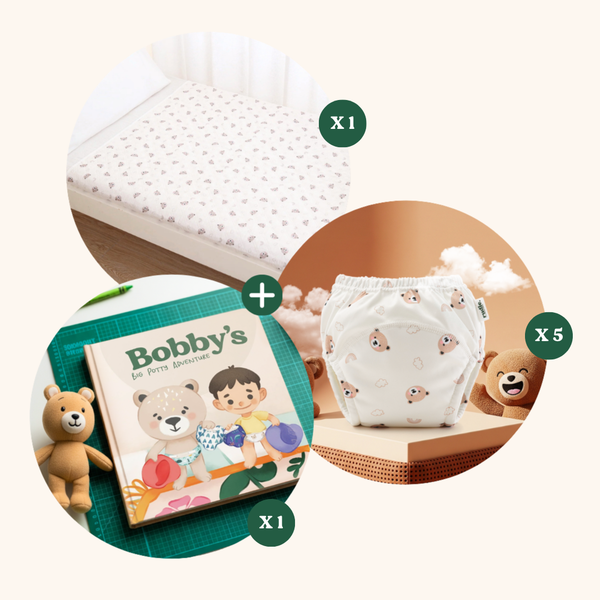
For families just starting the journey, Bobby's Complete Toilet Training Bundle includes training pants, bed protection, and a storybook to get you started.
Signs of Regression and What to Do
It's normal for children to regress occasionally, especially during:
- Big life changes (new sibling, moving house, starting daycare)
- Illness or teething
- Stressful periods
- Developmental leaps
If regression happens, simply move back to the previous stage temporarily without making it a big deal. Your child will move forward again when they're ready.
The Bottom Line
The 3-stage toilet training system works because it meets children where they are developmentally. By providing the right tools for each stage and watching for readiness signs, you can support your child's natural progression from diapers to independence.
Key takeaways:
- Follow your child's readiness, not a timeline
- Each stage builds confidence for the next
- Not all children need all stages
- Night-time training is separate from daytime
- Regression is normal and temporary
- The right products make each stage easier
Ready to support your child through their toilet training journey? Explore our complete range of toilet training diapers, training pants, and our new toilet training underwear designed to support Australian families at every stage.